

Lumi Cat
Builds a memory of time spent together to know when to respond and when to give someone space.
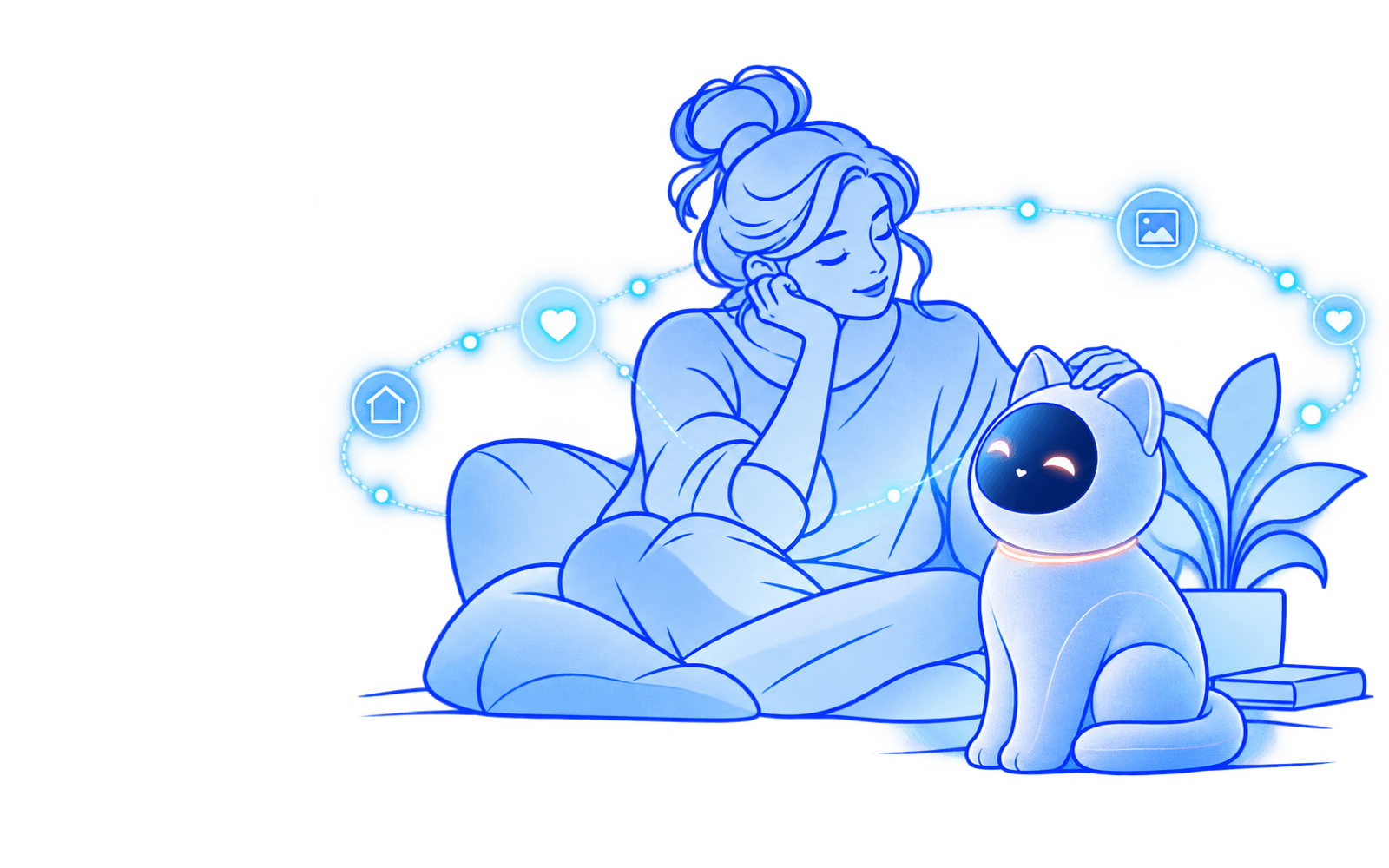
We assess every application through its impact on relationships, its value, & its boundaries, so affective intelligence improves how people relate to one another & to machines.
Unlike AI focused on knowledge reasoning, affective AI is closer to everyday human experience. It combines voice, expression & context to respond at the right moment.
Builds a memory of time spent together to know when to respond and when to give someone space.
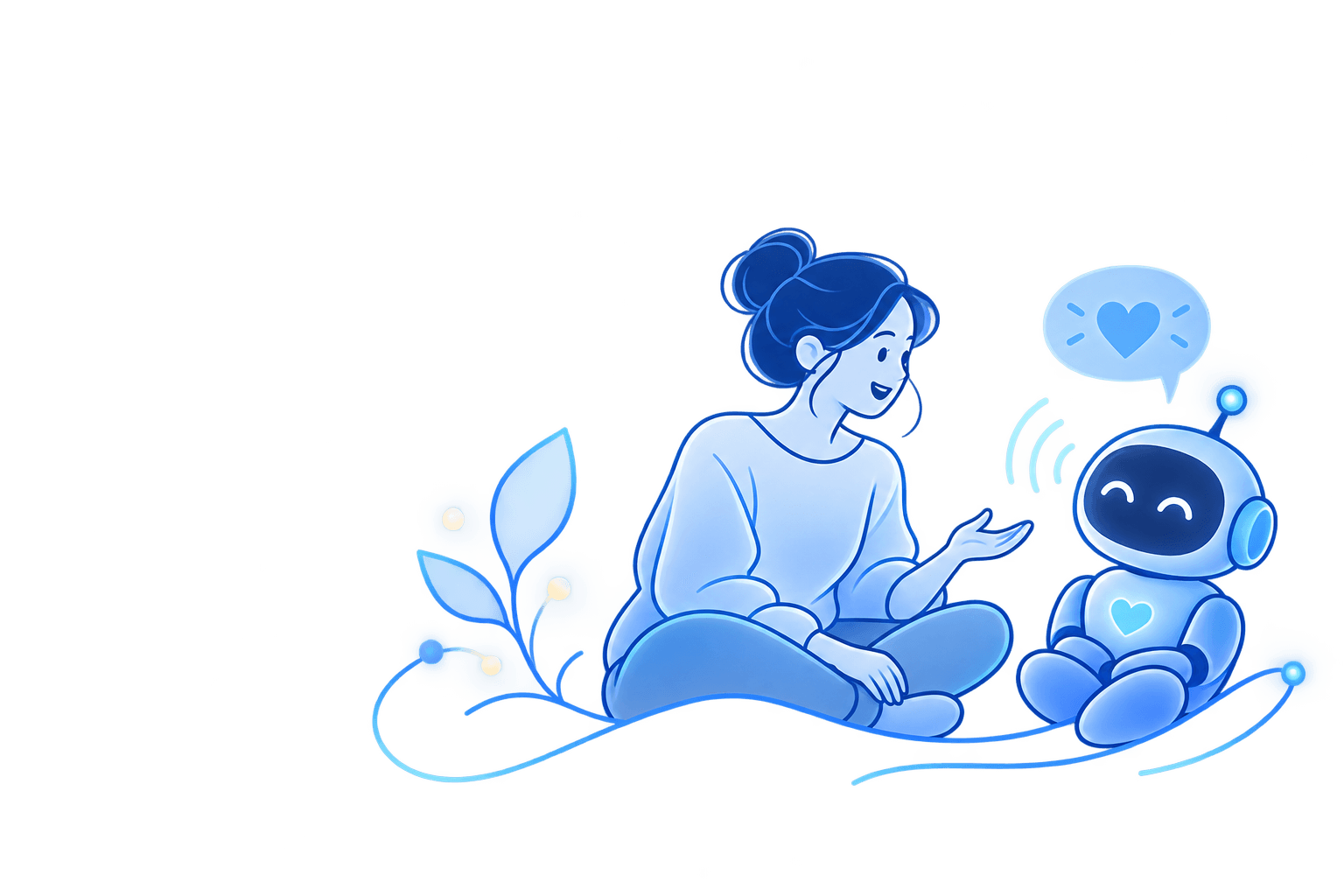
When a person pauses or changes tone, the robot adjusts when and how it responds.
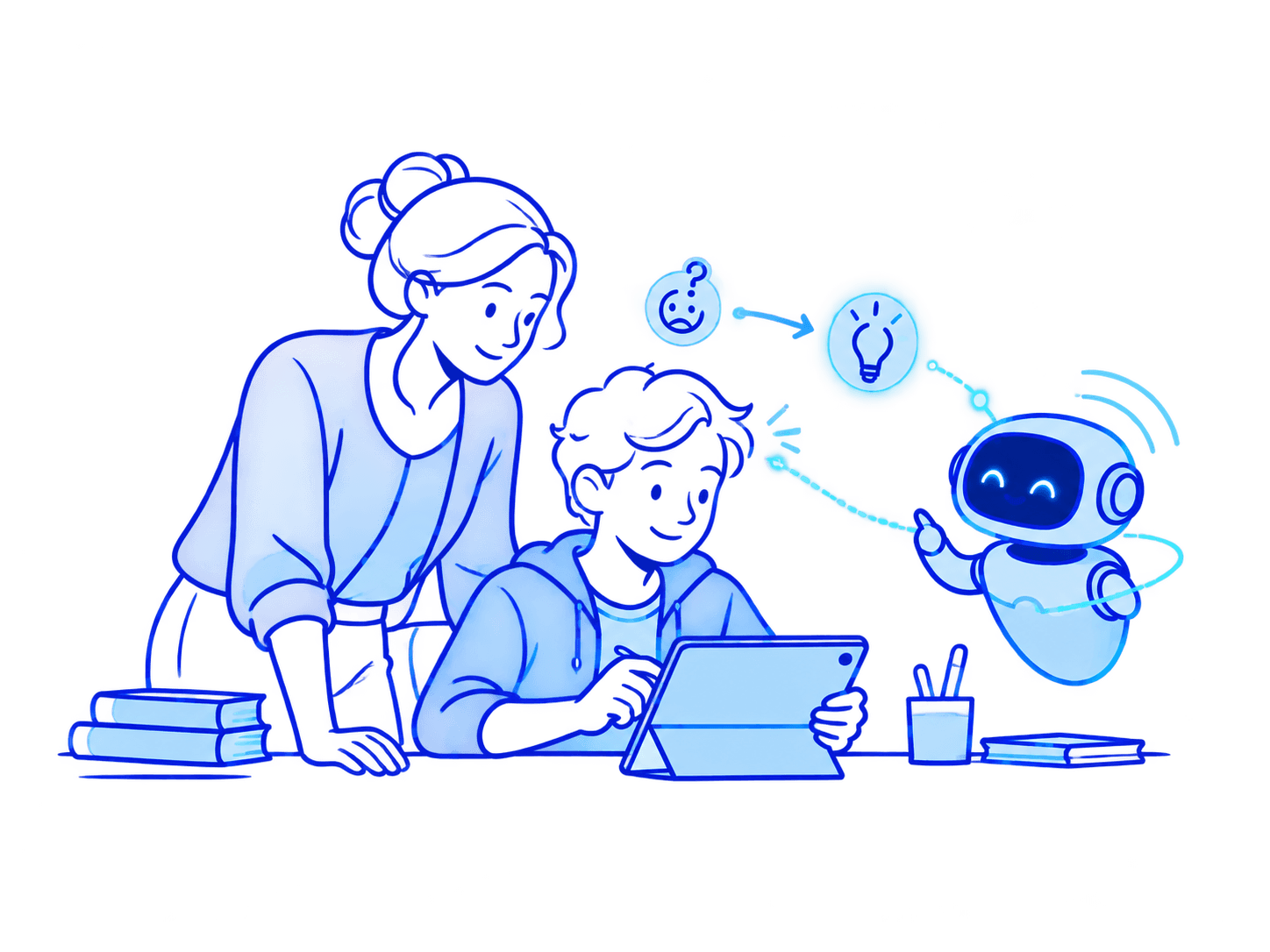
When a class grows hesitant, the system prompts teachers to slow down or try a different question.
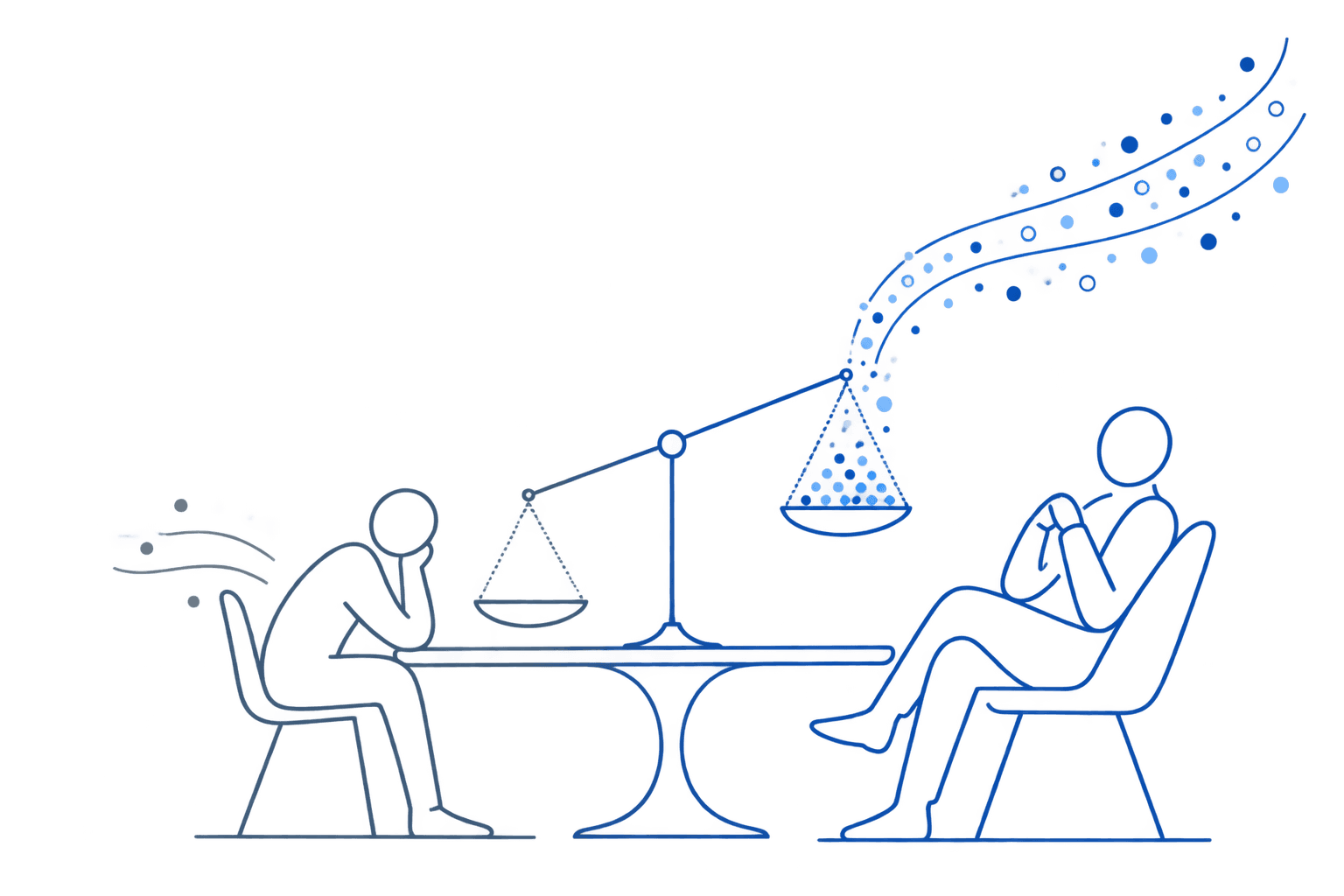
Using affective intelligence unilaterally, covertly, or without clear limits can directly undermine fairness & trust.
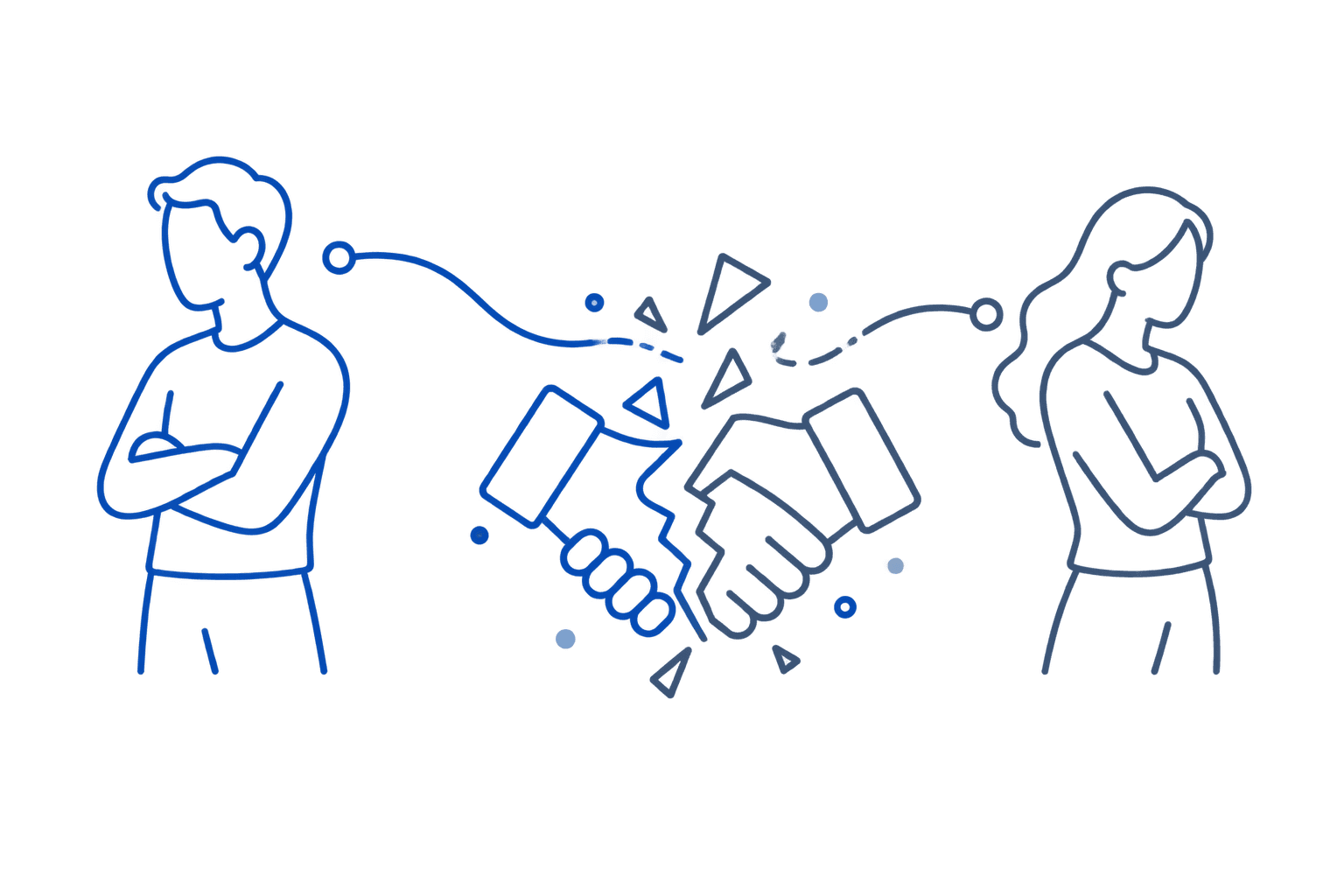
One-sided real-time analysis
01
Reading the other party’s emotions in real time can turn equal negotiation into one-sided control through information advantage.
02
Once the other party becomes aware, willingness to cooperate & the foundation of the relationship can quickly collapse.
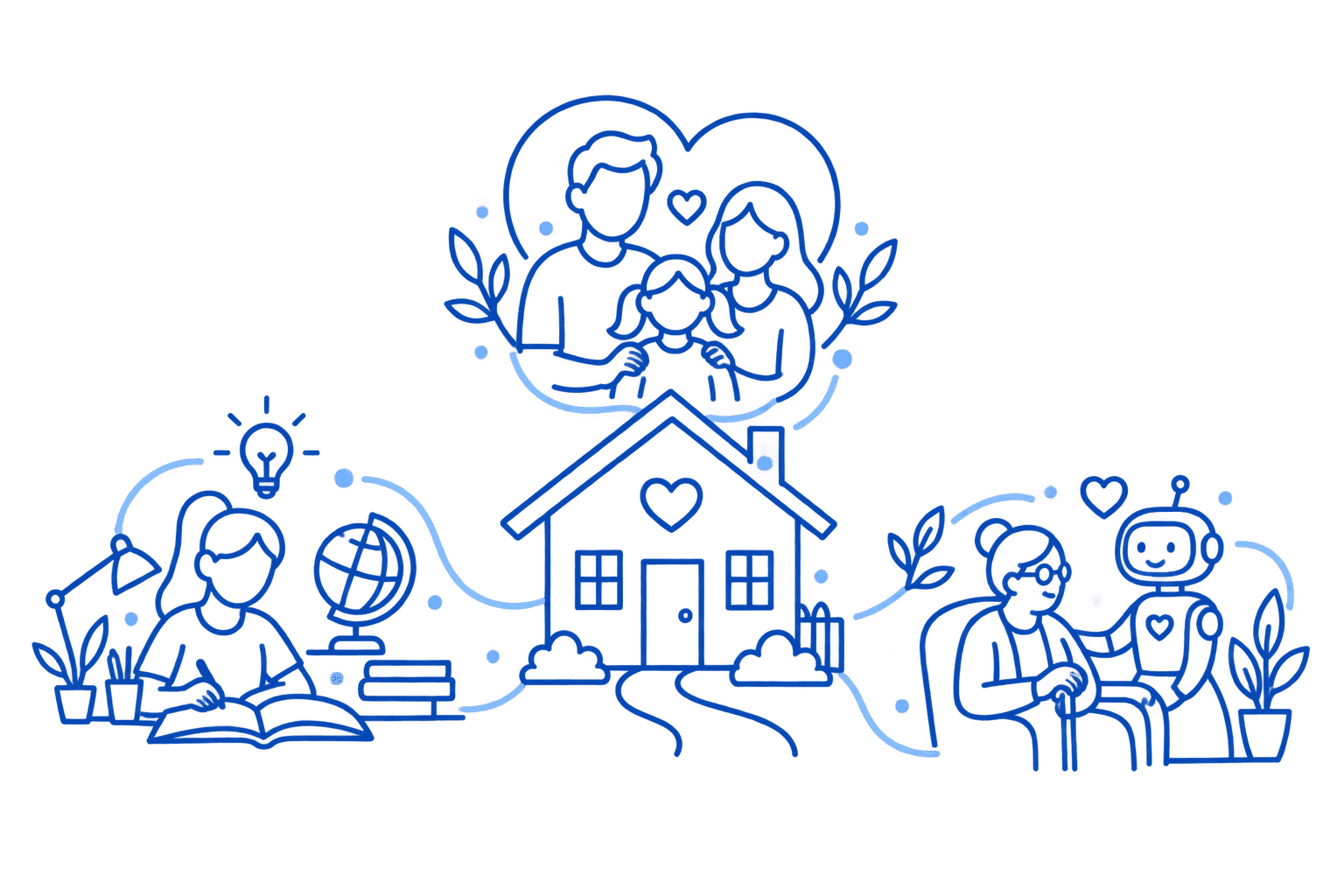
Assess application value, social tension, & potential harm, then prioritize scenarios that serve people, address public needs, & fit everyday life.

01
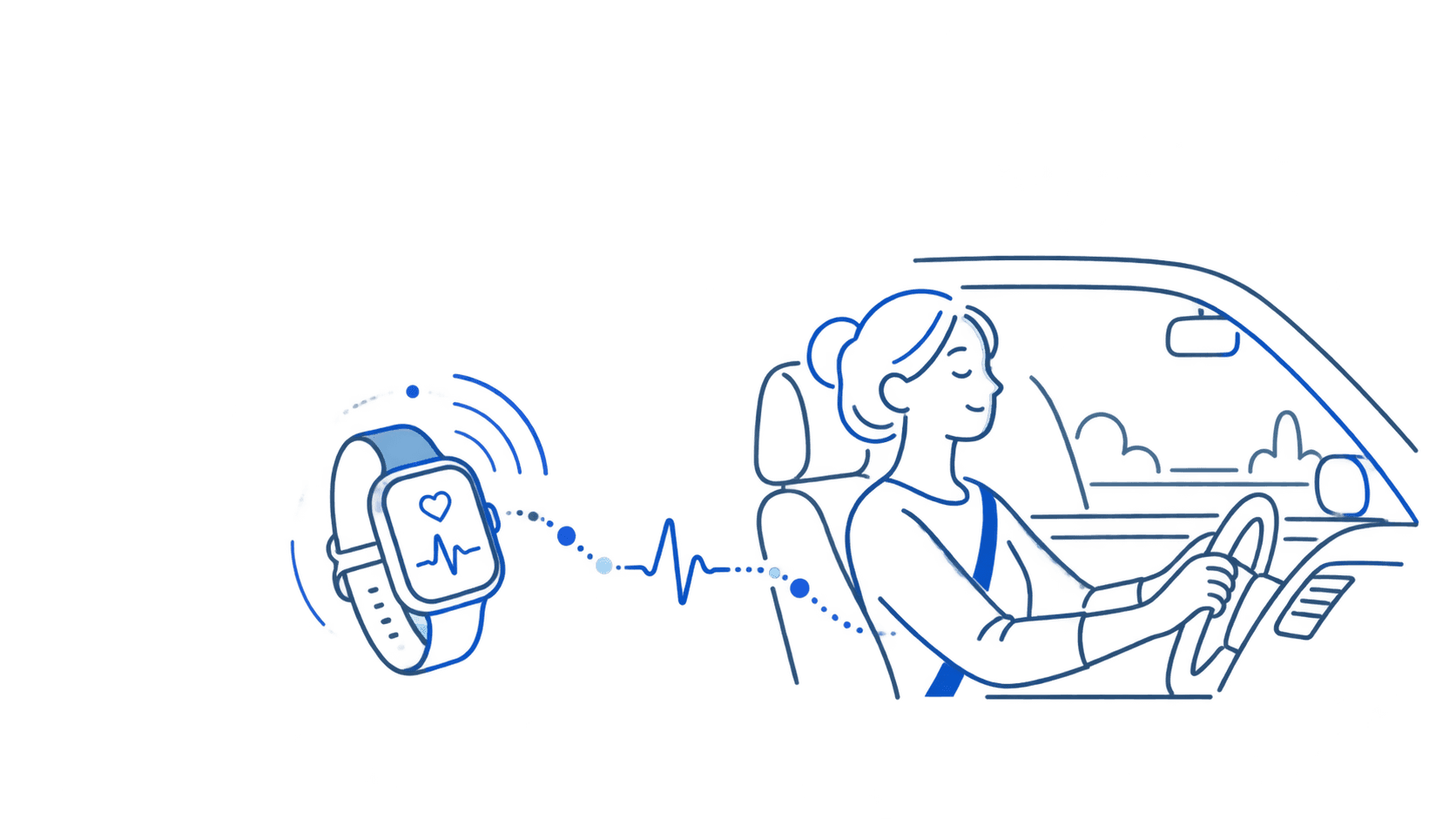
Support health, emotional regulation, & companionship.
02
Apply the technology to education, home life, & ageing.
03
Provide continuous, low-risk assistance in everyday devices with clear authorization.
When a use crosses the line, we review it, restrict access & give affected people a way to raise concerns.
We suspend access for rule violations & may end access for serious cases.
We limit access to personal information & address data involved in a reported risk.
Eligible hardware solutions can run locally, reducing the need to upload personal information.
We welcome conversations about policy principles, responsibility boundaries, & appropriate uses of affective intelligence.